Loisirs 74
Free Access · Year-Round

Col des Glières

High-altitude pass and plateau (1,425 m) at the centre of the Bornes massif, a landmark of French Resistance history, accessible via two mountain roads and offering vast alpine pasture lands.

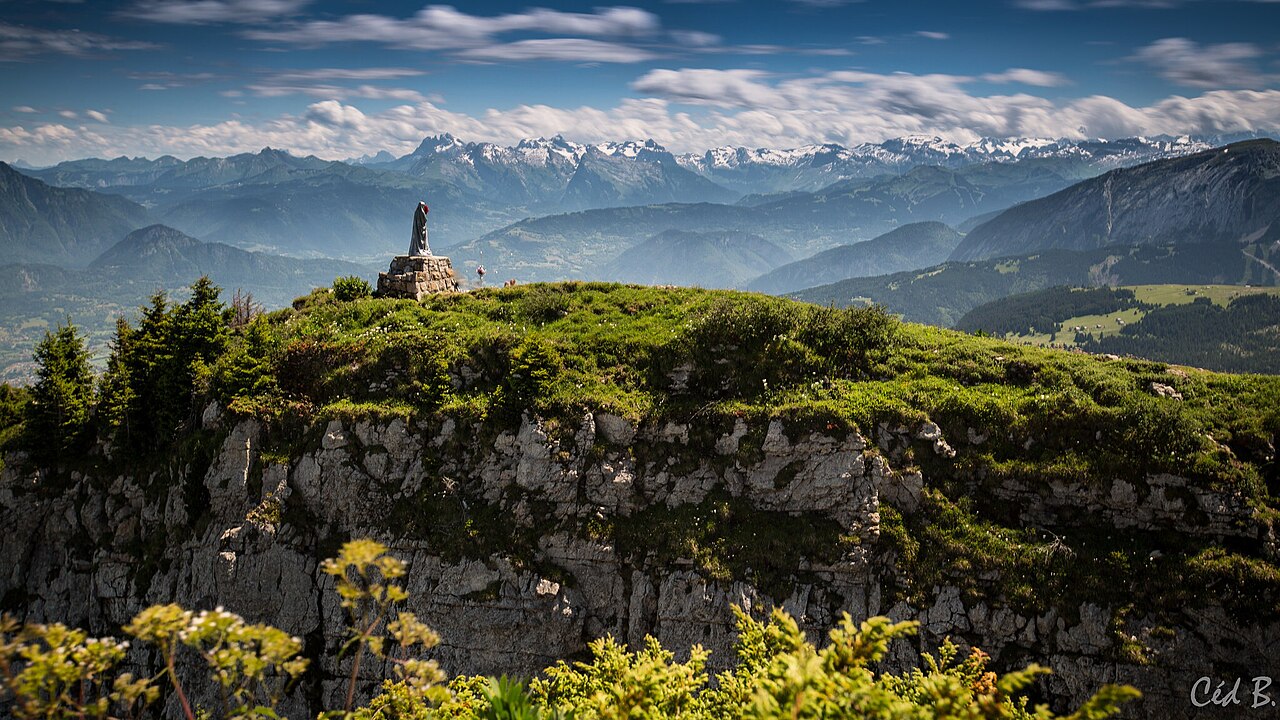
Glières Plateau in summer with views of alpine meadows and the National Monument to the Resistance, Fillière, Haute-Savoie
Guilhem Vellut from Annecy, France · CC BY 2.0 · Wikimedia Commons
At a glance
Type
High-altitude pass and plateau
Access
Free · No charge
Duration
2 hours–full day depending on activities
Best season
May–October (summer) · December–March (cross-country skiing)
Parking
Free (multiple car parks on the plateau)
Dogs
Permitted on leash
Stroller
Suitable on central historic trail
Town
Fillière (Thorens-Glières)

What is Col des Glières

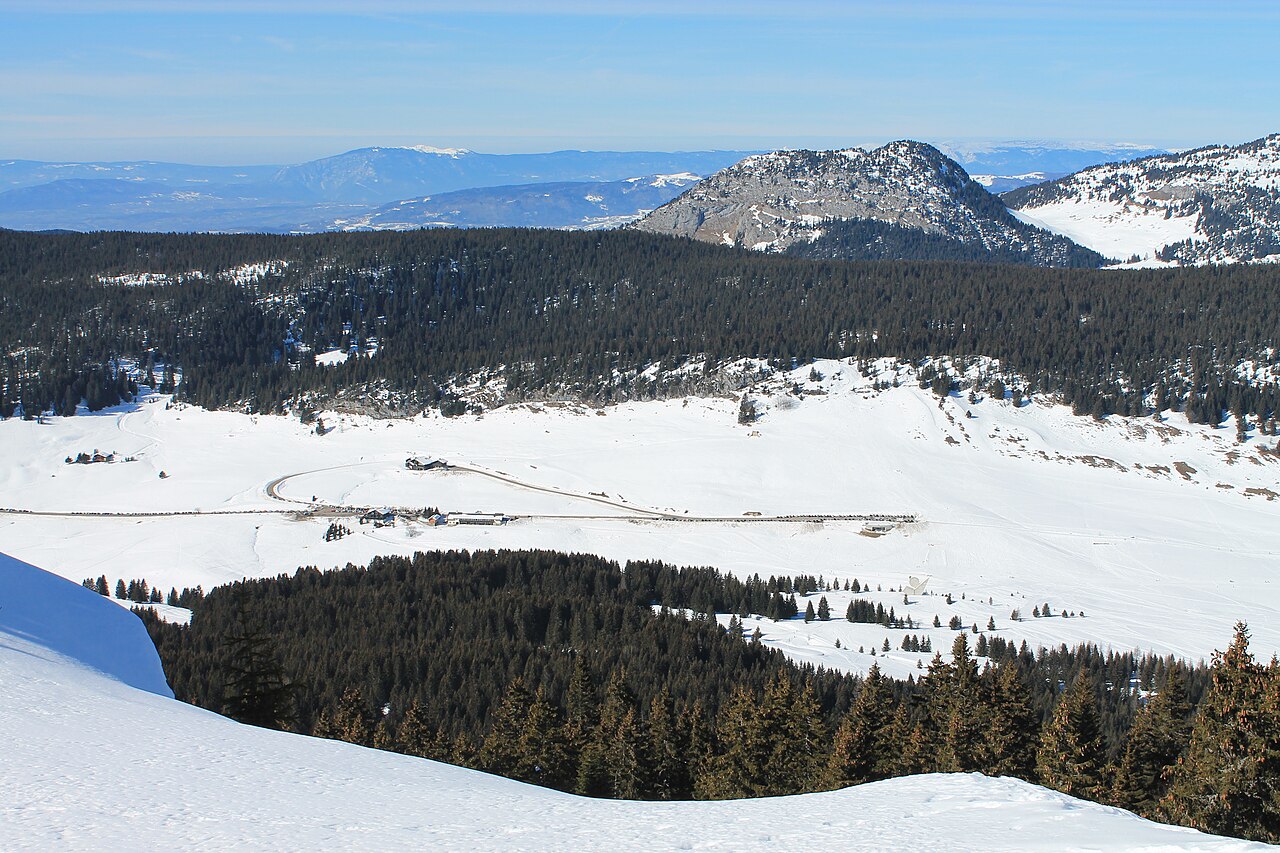
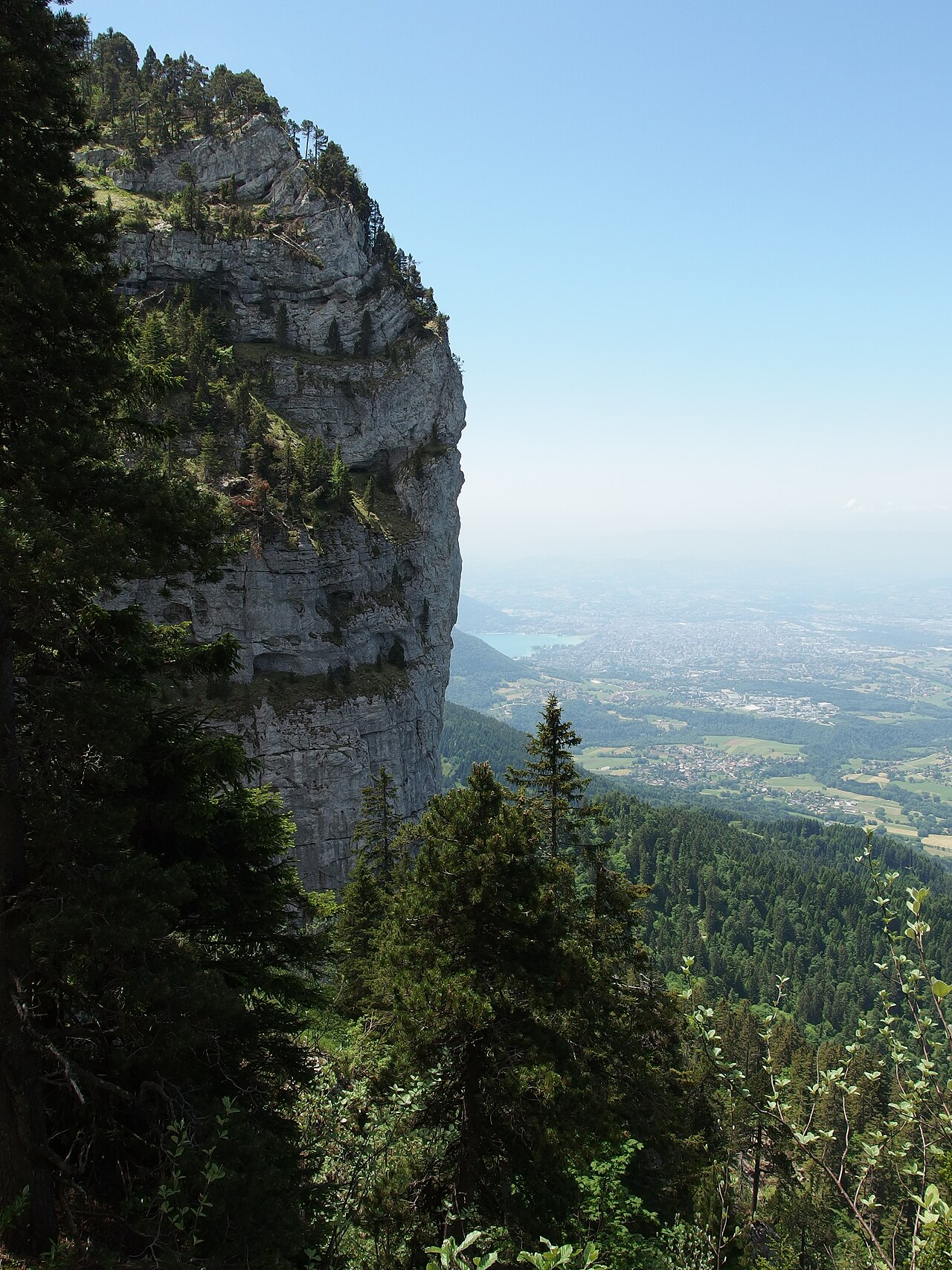
The Col des Glières (1,425 m) marks the central point of the Glières Plateau, a vast limestone plateau in the Bornes massif, between 1,400 and 1,800 metres altitude. The pass itself is barely marked on the terrain — it is the surrounding plateau, broad and relatively flat, that constitutes the true attraction. Located respectively 29 and 15 kilometres from La Roche-sur-Foron and Thorens-Glières, the plateau extends across the communes of Glières-Val-de-Borne and Fillière.

This site is a landmark of French Resistance history. From January to March 1944, 465 resistance fighters (maquisards) gathered here under the successive command of Lieutenant Tom Morel and then Captain Maurice Anjot to receive Allied weapons drops. On 26 March 1944, faced with the joint attack of Vichy forces and the Wehrmacht, 129 maquisards and 20 civilians died. The National Monument to the Resistance, a work by Émile Gilioli inaugurated by André Malraux on 2 September 1973, stands at the centre of the plateau. It has been listed as a Historic Monument since 2020.

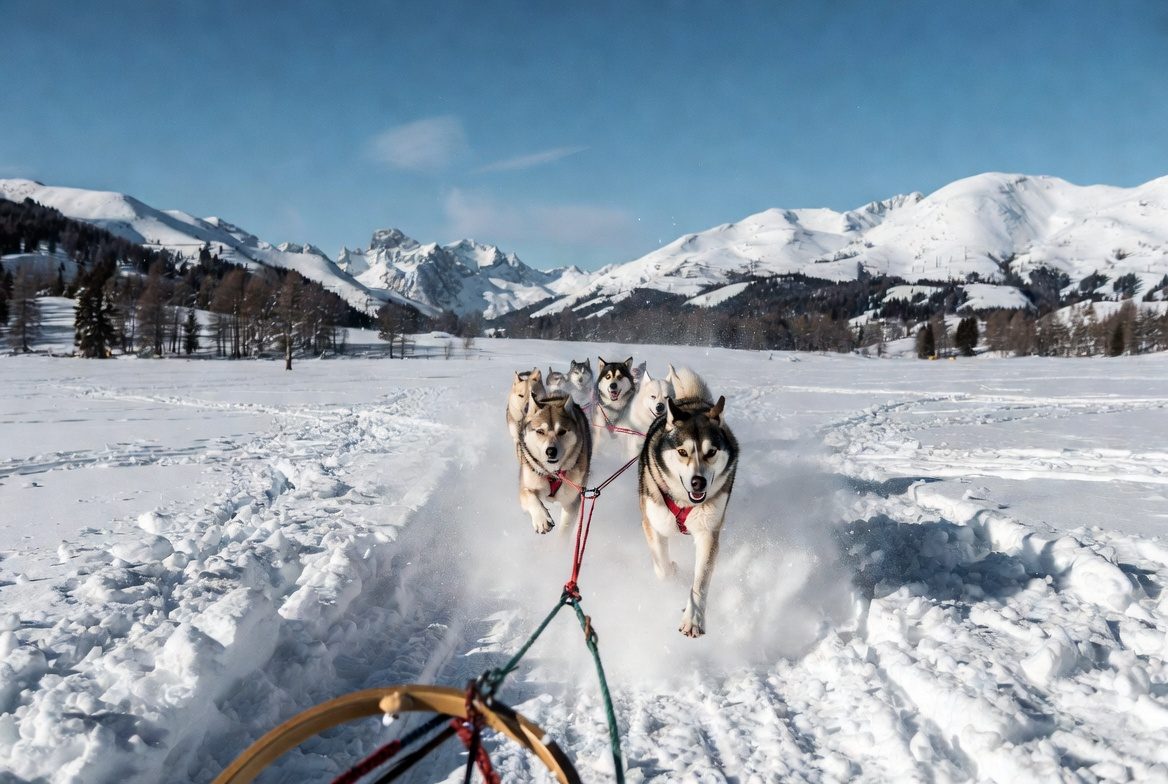
Today, the Glières Plateau is a natural area classified Natura 2000 and a Sensitive Natural Area, appreciated year-round: hiking and alpine pastures in summer, cross-country skiing (36 km of trails) and snowshoeing in winter. Accessible via two mountain roads (from Thorens-Glières/Fillière to the west or Le Petit-Bornand-les-Glières to the east), the site offers an escape 45 minutes from Annecy.

Activities

What you can do here

Practical

Practical information

Address
Glières Plateau, 74570 Fillière (former commune of Thorens-Glières) View on map
Coordinates
46.0514° N — 6.3297° E View on map
Altitude
1,425 m (pass) · 1,450 m (average altitude of plateau)
Opening hours
Free access year-round. Roads open in winter (caution in heavy snow and risk of rockfall in spring on the road from Thorens-Glières).
Admission
Free
Parking
Free (multiple car parks on the plateau, at the centre near the Monument and near the Plateau Information Centre)
Animals
Permitted on leash (respect for alpine herds and wildlife)
Accessibility
Historic trail accessible to people with reduced mobility (relatively flat terrain at centre of plateau). Mountain trails steeper for ridge hikes.
Drive time
45 min from Annecy, 30 min from Thônes, 30 min from La Roche-sur-Foron (winding mountain roads)
Contact
Syndicat Mixte des Glières: 04 50 33 51 53 — Lac d'Annecy Tourism Office: 04 50 45 00 33
Maquis Memory visitor centre
Open to the public 5 April to 30 September. Screening room, multimedia space, bookshop. Free entry.
When to visit

When to visit

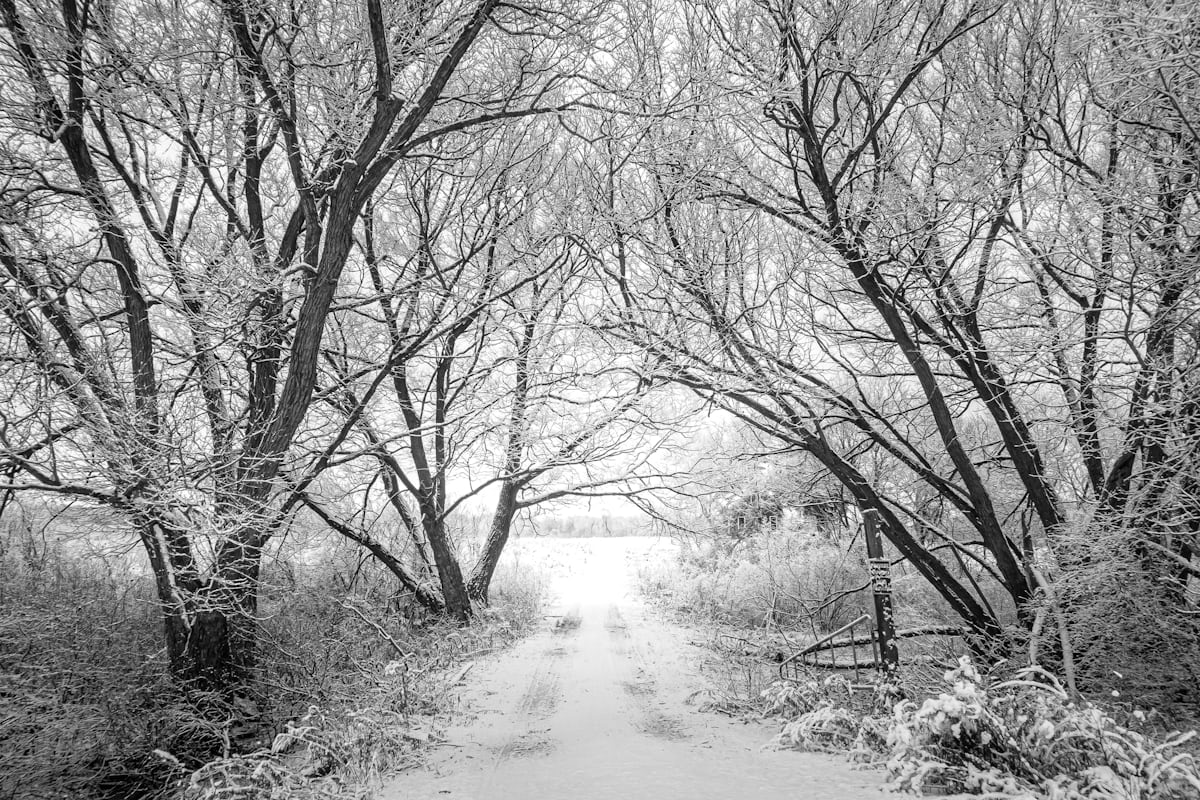
The Glières Plateau can be visited year-round. Summer (May to October) is ideal for hiking, discovering the Monument and alpine pastures, and buying cheese from farms. Days are long, the plateau verdant, herds grazing. The site attracts many visitors in July–August. In winter (December to March), the plateau transforms into a renowned Nordic skiing domain (cross-country skiing, snowshoeing). The atmosphere is peaceful, landscapes snow-covered, the Monument takes on a special dimension. Spring (April–May) offers variable conditions (residual snow possible) and risk of rockfall on the road from Thorens-Glières. Autumn (September–October) combines calm, soft light and possible early snow at altitude.
Nearby

Where to eat, drink, stay

Restaurant, café, bar

Serving visitors to this site? Appear here.

Become a partner
Photos

Gallery

FAQ

Frequently asked questions

Is access to Col des Glières charged?

No. Access to Col des Glières and the plateau is free and costs nothing year-round. Parking on the plateau car parks is also free.

How do I get to Col des Glières from Annecy?

From Annecy (45 min), head towards Thônes then Thorens-Glières via the D909, then take the D55 (Route des Glières) to the plateau. Winding mountain road.

Can you visit the National Monument to the Resistance at Col des Glières?

Yes. The National Monument to the Resistance at Col des Glières is accessible on foot year-round (wooden footbridge from central car park). The interior is open and contains works by Émile Gilioli.

What is the best season to visit Col des Glières?

Summer (May–October) for hiking, visiting the monument and discovering alpine pastures. Winter (December–March) for cross-country skiing and snowshoeing on the Col des Glières Plateau. Avoid April (possible rockfall).

Are there restaurants or farms at Col des Glières?

Yes. The Col des Glières Plateau has several alpine chalets converted into restaurants or guesthouses (Chez la Jode, etc.) and farms selling Reblochon and Tomme directly, open in summer season.

Are dogs permitted at Col des Glières?

Yes, dogs are permitted at Col des Glières and on the plateau, but must be kept on leash (respect for alpine herds and wildlife).

How much time should I allow to visit Col des Glières?

Allow a minimum of 2 to 3 hours for the Historic Trail and visit to the National Monument at Col des Glières. Allow a half-day to full day for longer hikes on the plateau.

Can you cycle up Col des Glières?

Yes. Col des Glières is a mythical cycling climb (beyond categorized). Two approaches: west from Thorens-Glières (14 km, 6.5%) or east from Le Petit-Bornand (10 km, 8.5%, harder).

Sources

Sources & verification

Multi-source verification at publication date. Information may change — confirm with the official operator before travelling.

Published 14 mai 2026·Updated 14 mai 2026

Directions