
A restaurant in Lullin?
Hosting visitors of Former Ramparts of the Château de Lullin ? Appear here.
Become a partnerMedieval remains of the Lullin fortress built in 1304 on the Motte by the Faucigny family: curtain wall with arrow slits set against the rectory, the last witnesses of a 92 m-long stronghold burned down in 1564.

The former ramparts of the Château de Lullin are the last surviving traces of a major medieval fortress built in 1304 by Hugues du Faucigny on a natural mound that overlooks the Follaz valley by 65 metres, in the village of Lullin (74470), halfway between the Chablais and the Faucigny. Allied with the Count of Geneva against the House of Savoy, the Dauphin of Faucigny fortified the site: 300 metres of ramparts were raised or renovated by 892 workers, turning the village into a fully walled town.
The threat was taken seriously by Amadeus V of Savoy, who sent his son Edward to besiege the fortress. After eleven days of siege in 1305, Lullin fell to the Savoyards, who in turn built permanent stone fortifications. The castle continued to grow until the 16th century, reaching imposing dimensions — 92 metres long by 45 wide — before being destroyed by a fire in 1564. Quickly falling into ruin, it was gradually dismantled and the stone reused for the parish church and several village houses.
Today only a single fragment of the enclosure wall survives, leaning against the back of the presbytery in the village centre. Pierced with arrow slits and built of rough-cut stone, this short stretch of wall is the only physical reminder of the medieval fortress of Lullin and of the dramatic episode in Faucigny–Savoy relations that preceded the final union of the region under Savoy.
Transport data verified on 2026-06-15 · source transport.data.gouv.fr (Licence Etalab 2.0)
Hosting visitors of Former Ramparts of the Château de Lullin ? Appear here.
Become a partnerShare hours and specialties with visitors of Former Ramparts of the Château de Lullin.
Become a partnerGîte, B&B, campsite, rental in Lullin.
Become a partnerBeen there? Share your photos — we'll add them to this page with credit. Tag #loisirs74 or email photos@loisirs74.fr
What remains in Lullin is a curtain wall set against the parish rectory, on which arrow slits can still be made out. It is the last visible vestige of the 92 m-long fortress built in 1304 by Hugh of Faucigny, dismantled after the 1564 fire to be used as a stone quarry.
Access to the old ramparts of the Château de Lullin is free and open year-round. The remains lie in the heart of the village, against the rectory, a few steps from the church and the town hall. No reservation, no fixed hours: simply stroll through the village.
The remains of the Château de Lullin are visible 24/7, free access year-round. Daytime is preferable to read the arrow slits and the curtain wall properly. Checked on 10 June 2026.
Visiting the old ramparts of the Château de Lullin is entirely free: these are remains in a public space, with no ticket desk or regular guided tour. Checked on 10 June 2026.
The Château de Lullin was built in 1304 by Hugh of Faucigny on the Motte de Lullin to counter Savoy. Edward of Savoy besieged it for eleven days in 1305 and took it. The castle flourished until the 16th century (92 m long) before being burned down in 1564 and turned into a stone quarry.
Free parking in the village of Lullin, near the town hall and the church. The ramparts of the Château de Lullin are a few minutes' walk away. No parking constraints in the low season.
Allow 20 to 45 minutes to walk through the remains of the ramparts of the Château de Lullin and tour the old village. With an extended walk through the village and its surroundings, allow up to 1 hr 30.
The remains of the Château de Lullin can be visited year-round, but spring and summer remain the most pleasant seasons — the village of Lullin (820 m altitude) can be covered in snow in winter. Autumn offers beautiful light on the medieval stones.
Multi-source verification at publication. Information may change — confirm with the official operator before travelling.
Nearby
Other places to explore in the area and in the same category
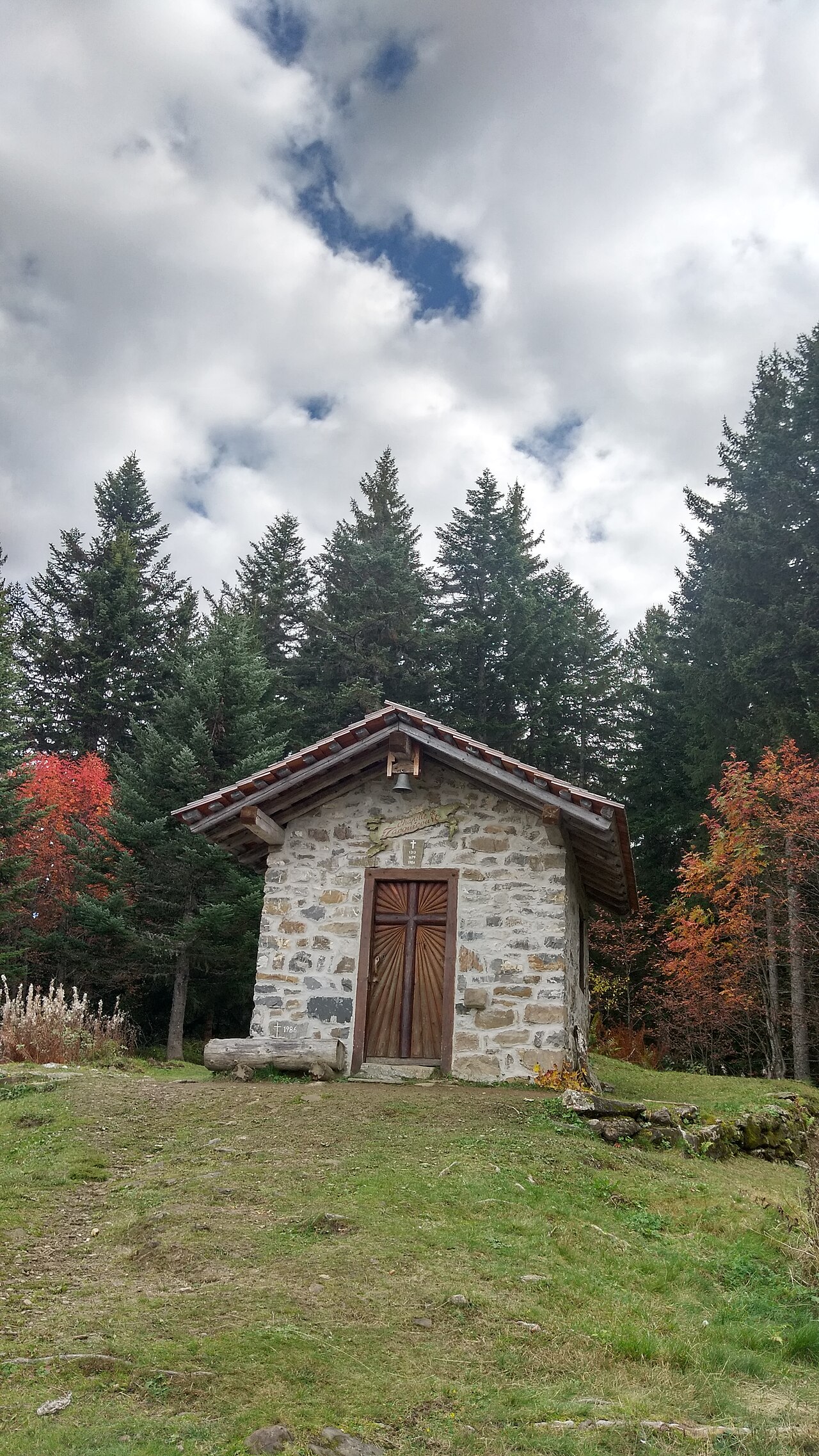 Free
Free
Alpine pasture plateau above the Vallée Verte: Lake Geneva and Mont-Blanc views, family trails in summer, cross-country skiing and snowshoeing in winter. Free access.
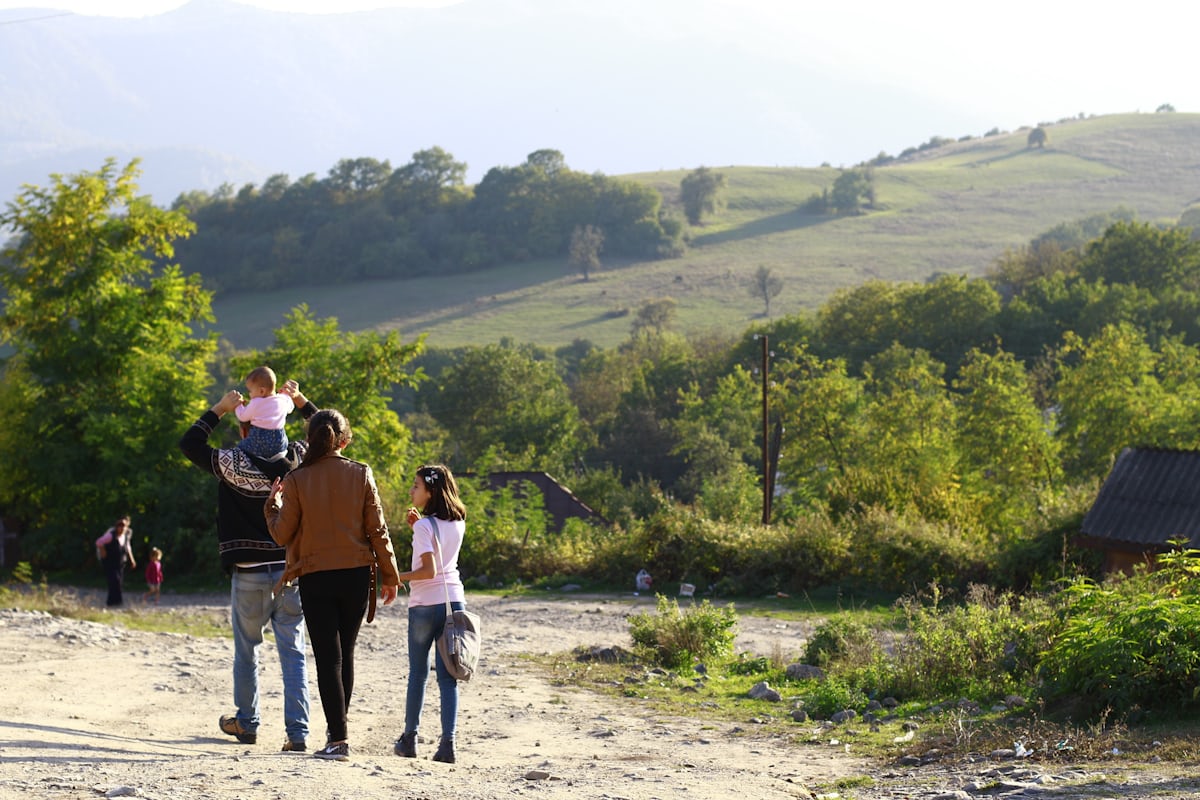 Free
Free
Organic goat farm in Bellevaux: Chevrotin AOP, tomme, raclette, cheese-making workshops, sensory trail, escape game and unusual accommodations.
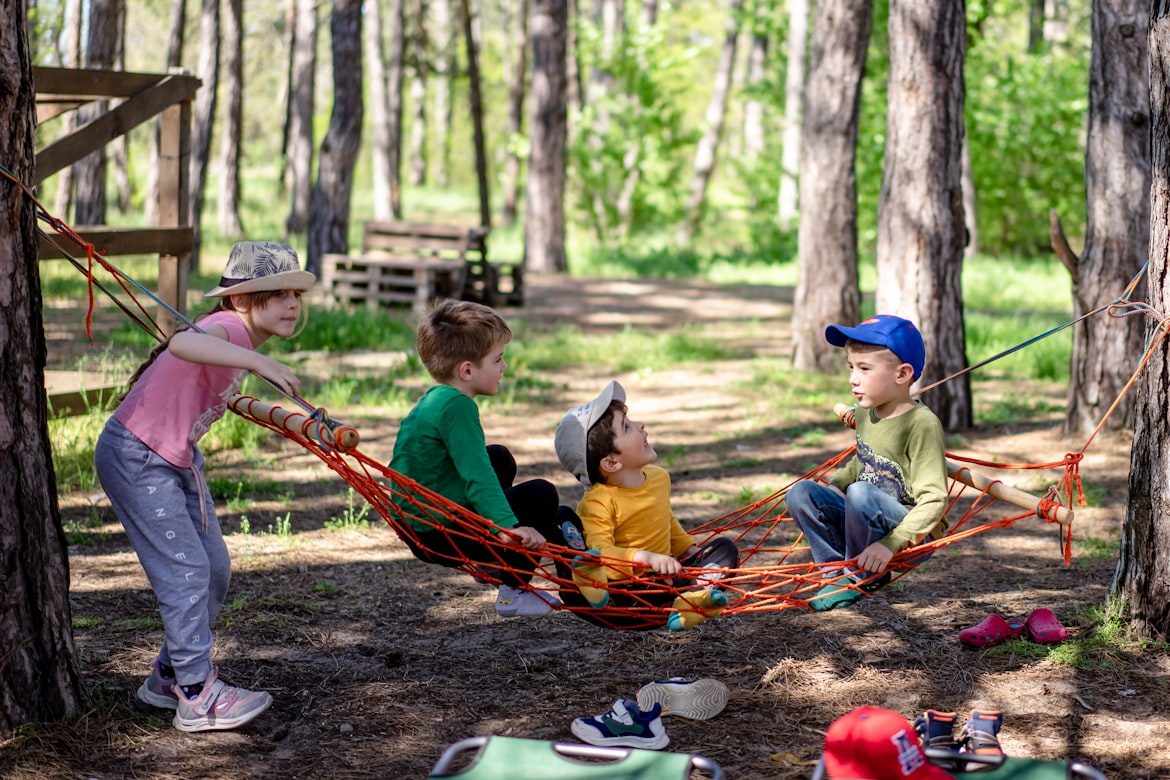 Free
Free
Small free alpine garden in Bellevaux (Chablais), behind the church: mountain plants — edible, toxic, medicinal — pond and play area.
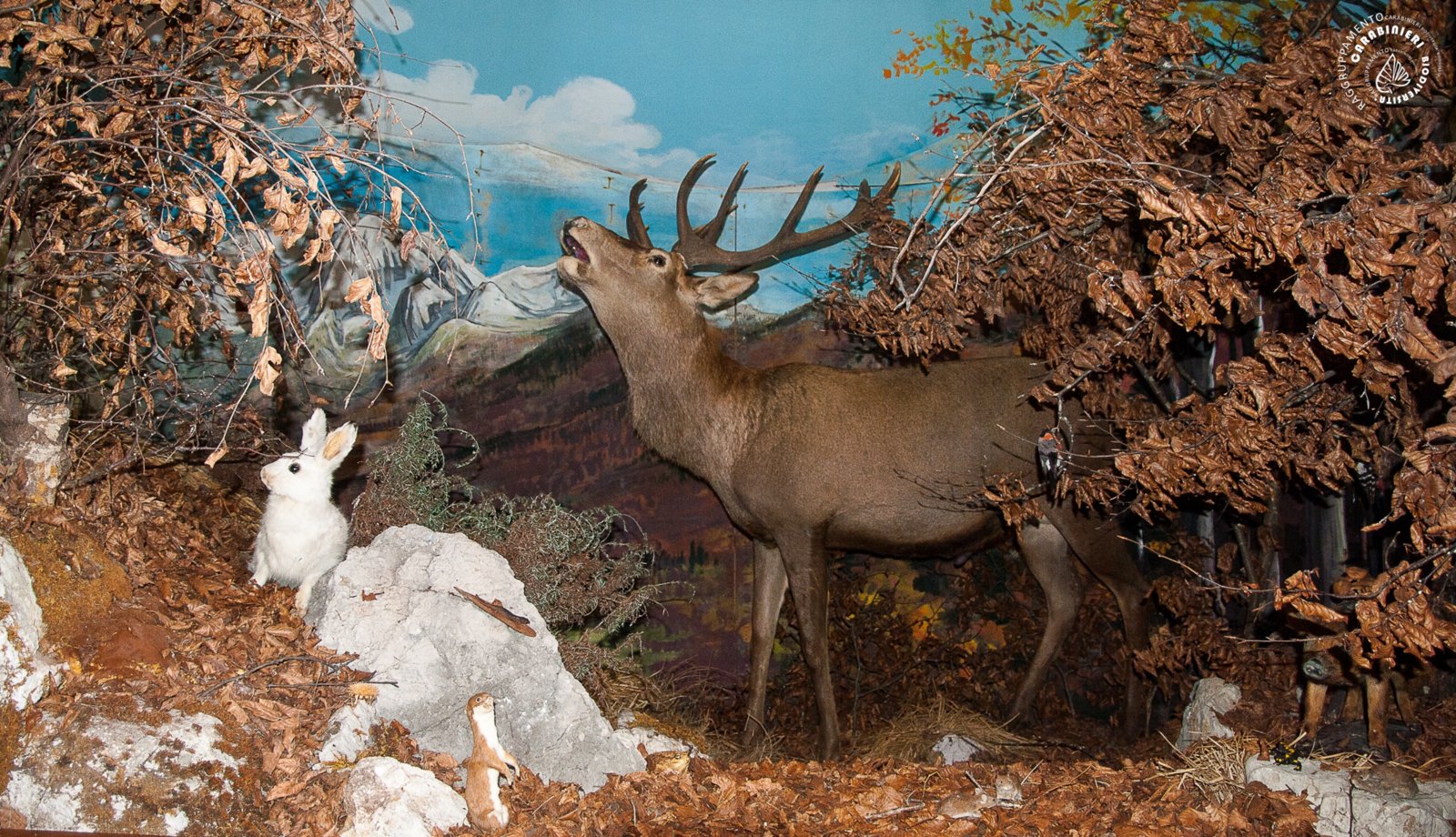 Paid
Paid
Museum of Fauna at Bellevaux: 200+ naturalised mountain animals in reconstructed habitats, audio interactive stations. Adult €4, child €3.
 Free
Free
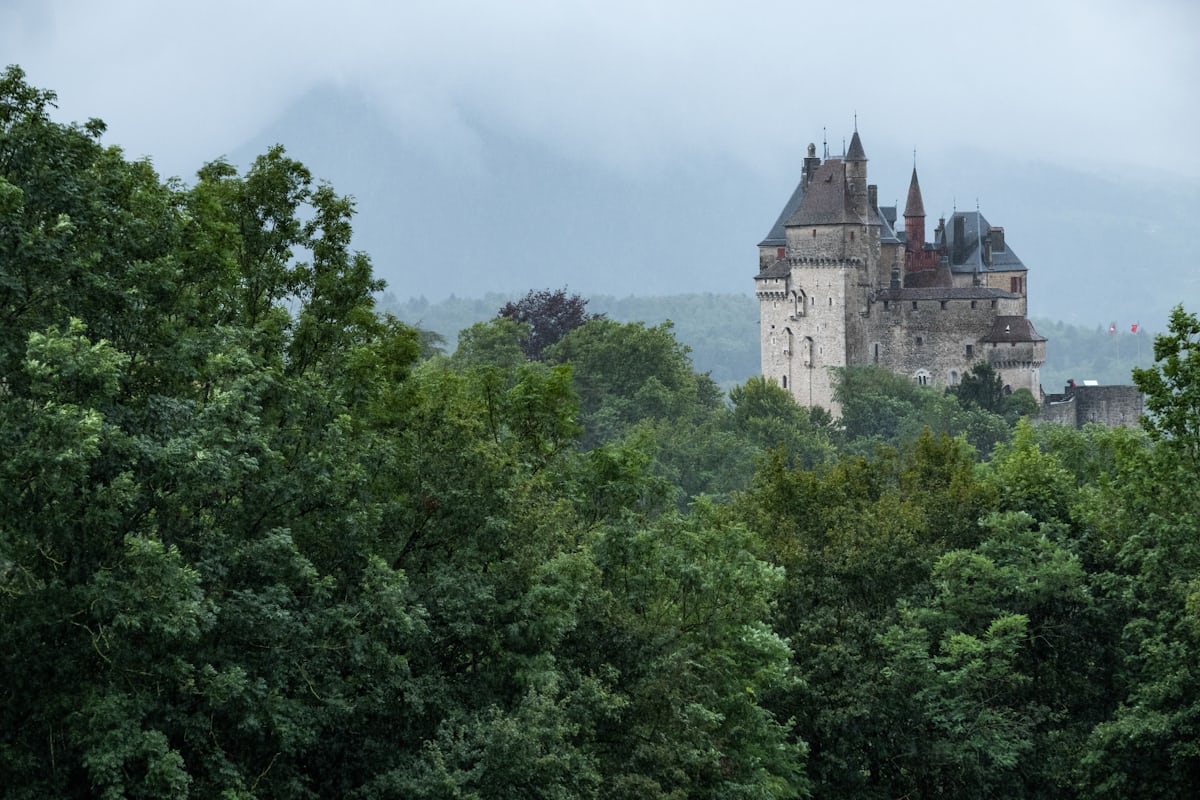
Remains of the Gothic château of the marquises of Lullin (15th c.) burnt down by the SS in December 1943, at Habere-Lullin in the Vallee Verte. Free access.
 Paid
Paid
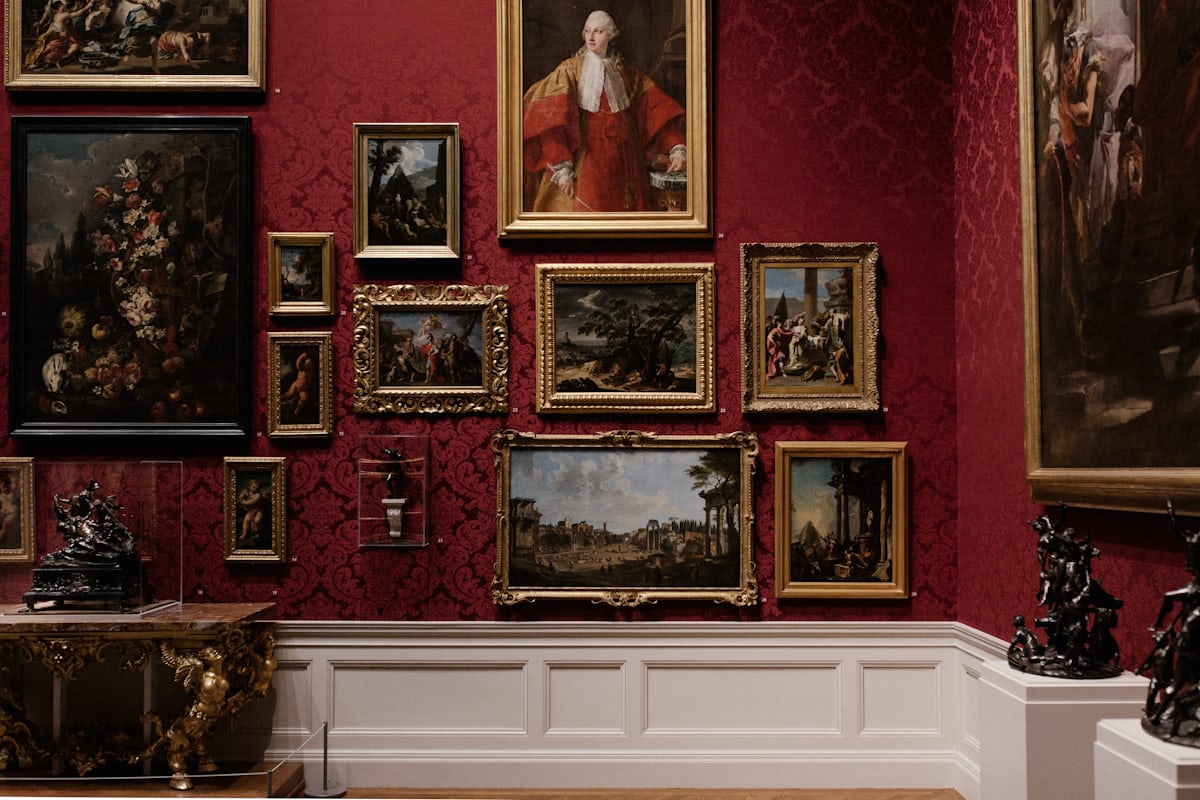
Regional art and folklore museum at Fessy: 20,000 rural objects by Bernard Lacroix, in an 18th-c. farm. Summer Thursday guided tours, €5.